
Blog
The Importance of Ergonomic Design in Hospital Furniture

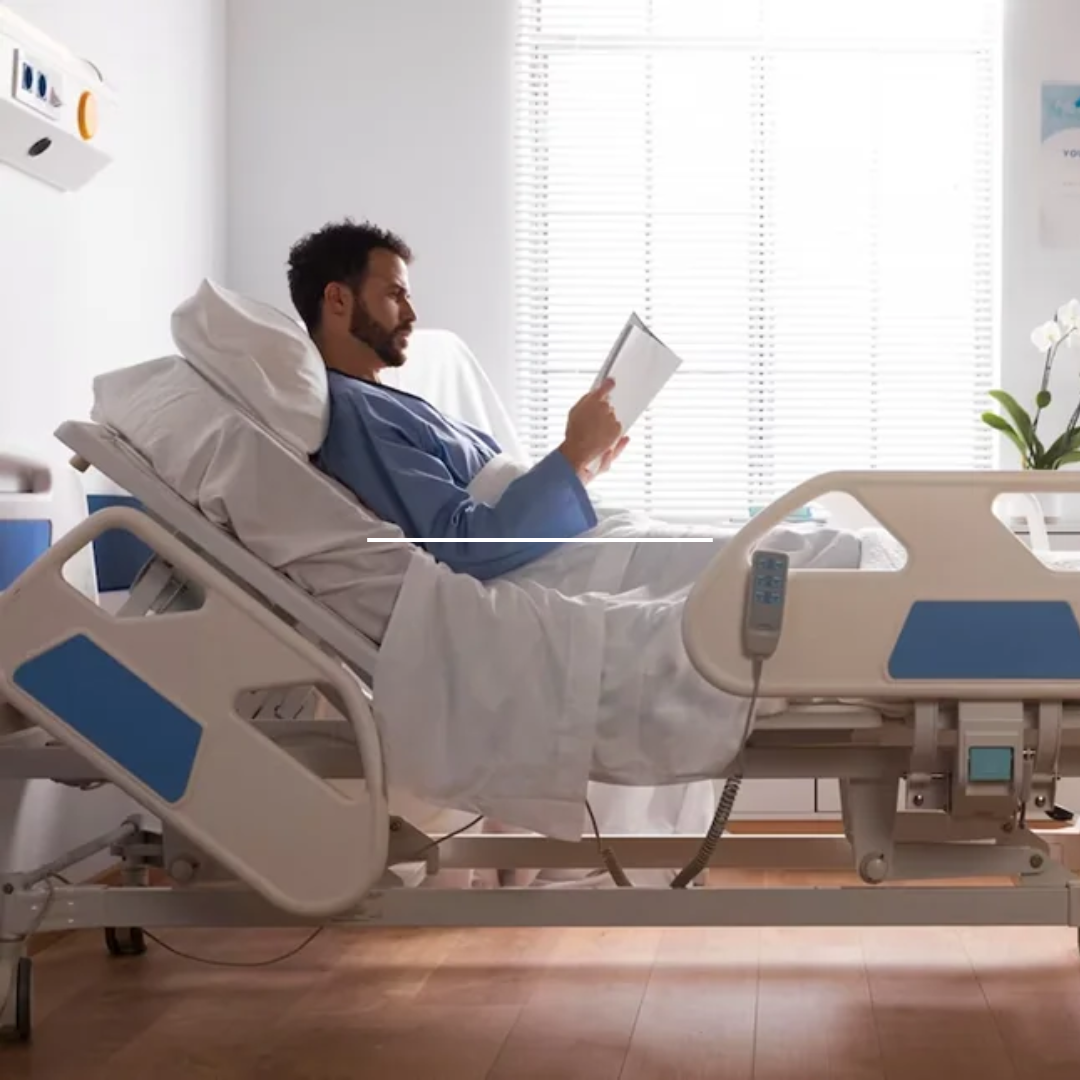
In the fast-paced and often stressful environment of a hospital, every detail matters. While advanced medical equipment often takes center stage, the seemingly simple element of hospital furniture plays a surprisingly significant role in patient well-being, caregiver efficiency, and overall healthcare quality. At the heart of this lies ergonomic design, where comfort seamlessly meets functionality.
This article delves into how ergonomics in stretchers, patient beds, and examination chairs profoundly impacts recovery times, reduces strain on caregivers, and aligns with modern healthcare standards. We’ll also highlight how Alpha Meditek’s designs are leading the way in human-centric engineering.
What is Ergonomic Design in Healthcare?
Ergonomics, in essence, is the science of designing and arranging workplaces, products, and systems so that they fit the people who use them. In a hospital setting, this translates to furniture that:
- Promotes patient comfort and safety: Reducing pressure points, facilitating easy movement, and preventing falls.
- Enhances caregiver efficiency and reduces injury risk: Making it easier to transfer, position, and attend to patients, thereby minimizing physical strain.
- Optimizes clinical outcomes: Contributing to faster recovery and better overall patient experiences.
Impact on Patient Recovery Times
Patient comfort is not merely a luxury; it’s a critical component of the healing process. Ergonomically designed furniture directly contributes to faster recovery in several ways:
- Improved Rest and Sleep: A comfortable bed with features like adjustable backrests, leg rests, and pressure-redistributing mattresses can significantly improve a patient’s ability to rest and sleep soundly. Quality sleep is vital for cellular repair and immune function.
- Reduced Pain and Discomfort: Thoughtfully designed examination chairs and stretchers with proper support can alleviate existing pain and prevent new discomfort, allowing patients to focus their energy on recovery rather than managing pain.
- Enhanced Mobility and Independence: Features such as easy-to-use siderails, low-height settings on beds, and intuitive controls empower patients to adjust their positions or get in and out of bed with less assistance, fostering a sense of independence and encouraging early mobilization – a key factor in recovery.
- Prevention of Pressure Ulcers: Advanced ergonomic beds incorporate specialized mattresses that redistribute pressure, significantly reducing the risk of pressure ulcers (bedsores), which can complicate recovery and prolong hospital stays.
Reducing Strain on Caregivers
Healthcare professionals often engage in physically demanding tasks, from lifting and repositioning patients to spending long hours on their feet. Ergonomic furniture is a game-changer in mitigating the physical toll on caregivers:
- Safer Patient Transfers: Stretchers and beds with adjustable heights, lateral tilt functions, and smooth-rolling castors minimize the need for manual lifting and awkward postures during patient transfers, reducing the risk of musculoskeletal injuries for nurses and medical staff.
- Easier Patient Access: Examination chairs that can be easily raised, lowered, and rotated allow caregivers to access patients from various angles without excessive bending or reaching, promoting better body mechanics.
- Improved Workflow: Furniture designed for ease of use and maneuverability streamlines daily tasks, allowing caregivers to work more efficiently and focus more on patient care rather than struggling with equipment.
Aligning with Modern Healthcare Standards
Modern healthcare emphasizes patient-centric care, safety, and efficiency. Ergonomic hospital furniture aligns perfectly with these standards by:
- Promoting Patient Dignity: Furniture that allows for easy adjustments and comfortable positioning respects patient autonomy and dignity.
- Enhancing Infection Control: Designs with smooth, easily cleanable surfaces and minimal crevices contribute to better hygiene and infection prevention.
- Meeting Regulatory Requirements: Many healthcare regulations and accreditation standards now include provisions for patient safety and caregiver well-being, which are directly supported by ergonomic equipment.
Alpha Meditek: Prioritizing Human-Centric Engineering
At Alpha Meditek, we understand that hospital furniture is more than just a place to sit or lie down. It’s an integral part of the healing environment. Our designs are rooted in human-centric engineering, ensuring that every product—from our robust stretchers to our versatile patient beds and comfortable examination chairs—prioritizes the needs of both patients and caregivers.
Our key designs feature:
- Intuitive Controls: Making adjustments simple and accessible for both patients and staff.
- Advanced Mattress Technology: For superior pressure redistribution and comfort.
- Durable and Easy-to-Clean Materials: Ensuring longevity and adherence to stringent hygiene standards.
- Smooth Mobility and Stability: For safe patient transport and secure positioning.
By integrating advanced ergonomics, Alpha Meditek is committed to providing solutions that not only meet but exceed the evolving demands of modern healthcare, fostering environments where patients can heal more effectively and caregivers can work more safely and efficiently.